


Fall on Awaji Island is a season of abundance. Surrounded by the Seto Inland Sea and the Kii Channel, the island brings together seafood from its waters, produce from its fields, and ingredients from its mountains. From rich fall fish to fragrant mushrooms, sweet figs, and chestnuts, the season reveals a different side of Awaji Island’s food culture.
Awaji Island has long been known as Miketsukuni—a land known for supplying food to the Japanese imperial court. Today, that connection to local food continues through restaurants and chefs who build their menus around the island’s seasonal ingredients.
Table of Contents
Fall Seafood from the Waters Around Awaji Island
Seasonal Sea Bream
As summer fades, sea bream becomes one of the seasonal seafoods to look for on an autumn food trip to Awaji Island. After feeding through the warmer months, sea bream can develop a fuller texture and richer flavor as the seasons change. In Japan, different types and seasonal names are used for sea bream depending on the time of year and region, making it a familiar part of seasonal Japanese cuisine.
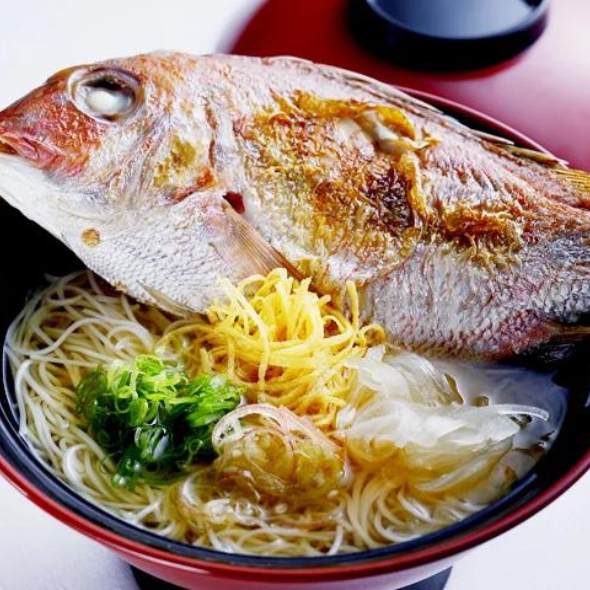
Around Awaji Island, seasonal sea bream appears in a variety of dishes alongside other local seafood and ingredients. It is one of the foods that reflects the island’s connection to the surrounding sea. At Oh-SOBAR, for example, you can enjoy sea bream as part of a seasonal menu, alongside handmade soba, appetizers, sashimi, tempura, and other dishes prepared with ingredients from Awaji Island.

Hamo: The Rich Taste of Late Summer and Fall
Hamo, or pike conger, is another signature ingredient of Awaji Island. While hamo is often associated with summer in Japan, its flavor changes as fall approaches. The eel feeds and builds up fat before winter, giving late-season hamo a richer, deeper taste.
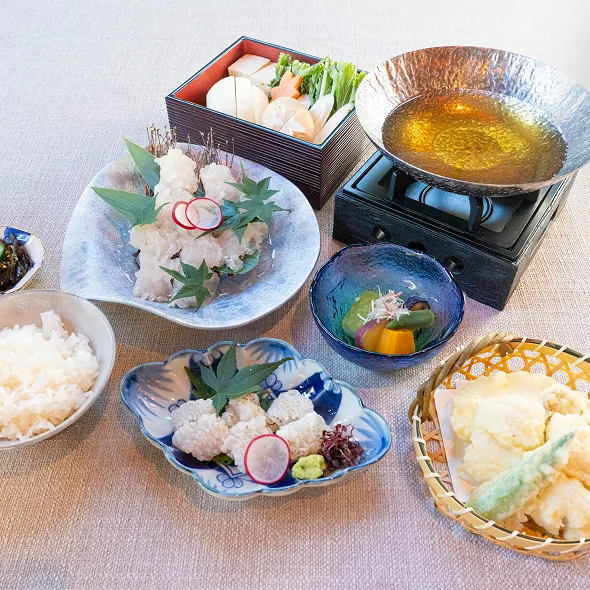
This “nagori hamo”, or late-season hamo, is especially celebrated on Awaji Island. At sushi and tempura restaurant Aonoya, the 2026 fall menu pairs local hamo with fragrant matsutake mushrooms, serving them as sushi, sashimi, tempura, and in a traditional hot pot.
Matsutake and the Fragrance of Fall
Few ingredients evoke Japanese fall as strongly as matsutake mushrooms. Their distinctive aroma becomes part of the experience as soon as they are heated, making them a natural match for delicate seafood such as hamo eel or sea bream.

On Awaji Island, the combination of hamo and matsutake creates one of the season’s most memorable pairings, which is strongly associated with fall food. The gentle sweetness and richness of the fish meet the earthy fragrance of the mushroom, bringing together two very different tastes of fall in a single dish.
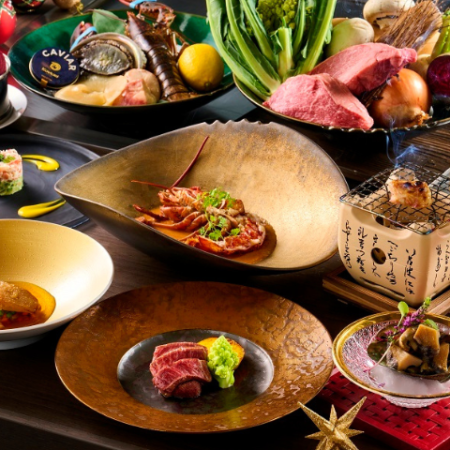
At restaurants such as Aman no Shokutaku and Aonoya, seasonal menus also bring other fall ingredients into the same experience, including mushrooms, chestnuts, figs, and local seafood. Those looking for authentic and seasonal Japanese cuisine are sure to be satisfied at either restaurant.
Awaji Beef: Rich Flavor for Cooler Days
The island’s fall table is not limited to seafood. Awaji beef is another important local ingredient, appearing in seasonal menus alongside fall vegetables, mushrooms, seafood, and fruit.
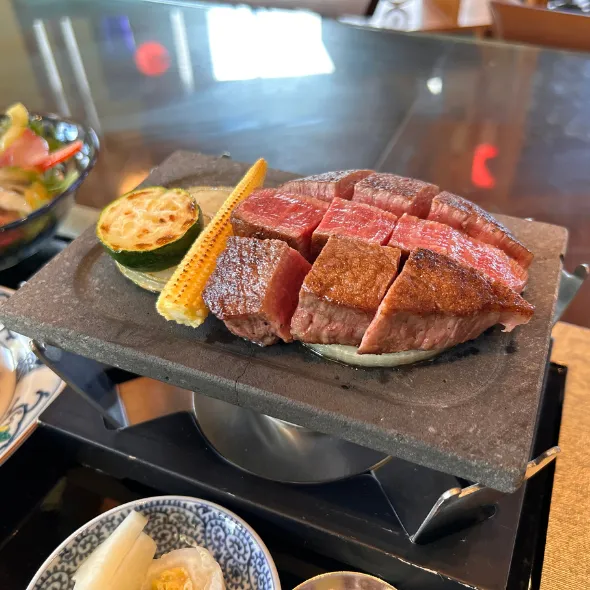
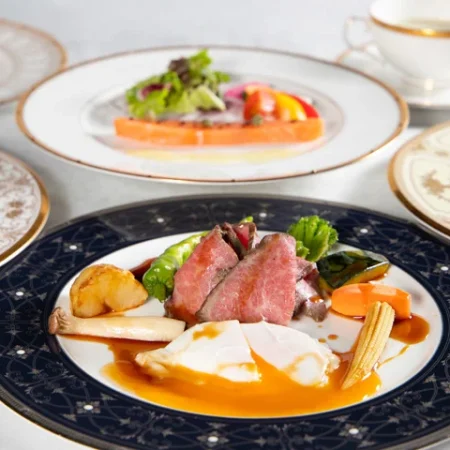
At Aman no Shokutaku Sajiki, seasonal set meals bring Awaji beef together with ingredients that capture the flavors of fall. Served alongside seasonal seafood, vegetables, and other local produce, the meals offer a chance to enjoy the rich variety of Awaji Island’s autumn table.
From the surrounding sea to the island’s fields and farms, each set brings together local ingredients in a relaxed Japanese dining experience. It is a simple way to taste how the season comes together on Awaji Island.
Sweetness from the Island: Awaji Figs
Fall is also a time to discover the sweeter side of Awaji Island. Awaji figs develop a higher sweetness as they ripen, making them a popular ingredient for both savory dishes and desserts.

Chefs on the island use figs in creative ways—from salads and appetizers to desserts and sauces. Their natural sweetness provides a beautiful contrast to seafood, meat, and the earthy flavors of fall mushrooms. Taste Awaji figs at Grand Baobab, a restaurant offering a unique take on French and Italian fusion cuisine in the hills of Awaji Island.
A Taste of Awaji Island in Fall
From Momiji-dai and late-season hamo to matsutake, Awaji figs, and Awaji beef, the island’s fall ingredients tell a story of place. Seafood reflects the surrounding waters, while mushrooms, fruit, and vegetables reveal the richness of the island itself.
Rather than one single “fall dish,” Awaji Island offers a journey through the season—one plate at a time. Follow the flavors from the coast to the countryside, discover what local chefs are preparing, and experience Japanese fall food at its seasonal best on Awaji Island.
Plan your fall food journey on Awaji Island and discover the island through its seasonal flavors.