

Japan’s winter holiday season brings two celebrations that offer very different glimpses into Japanese culture. In December, city streets glow with Christmas illuminations, shop windows fill with festive decorations, and bakeries prepare their famous Christmas cakes. Just a few days later, the atmosphere changes. Families gather at home, temples ring their bells at midnight, and people visit shrines to welcome the New Year.
While Christmas in Japan is often associated with romance, food and seasonal entertainment, New Year is the country’s most important traditional holiday. From sharing a bucket of fried chicken to enjoying a bowl of symbolic New Year’s Eve noodles, each celebration has its own rituals, flavors and meaning. If you’re visiting Japan during winter, experiencing both is a wonderful way to see two sides of the country’s cultural identity.
Table of Contents
Christmas in Japan: Lights, Cake and Festive Traditions
Christmas has become a popular seasonal celebration in Japan, even though it is not a traditional Japanese holiday or a national public holiday. Unlike in many Western countries, where Christmas is primarily a religious and family occasion, Japan has developed its own interpretation, a secular event combining festive decorations, shopping, special meals and romantic outings.
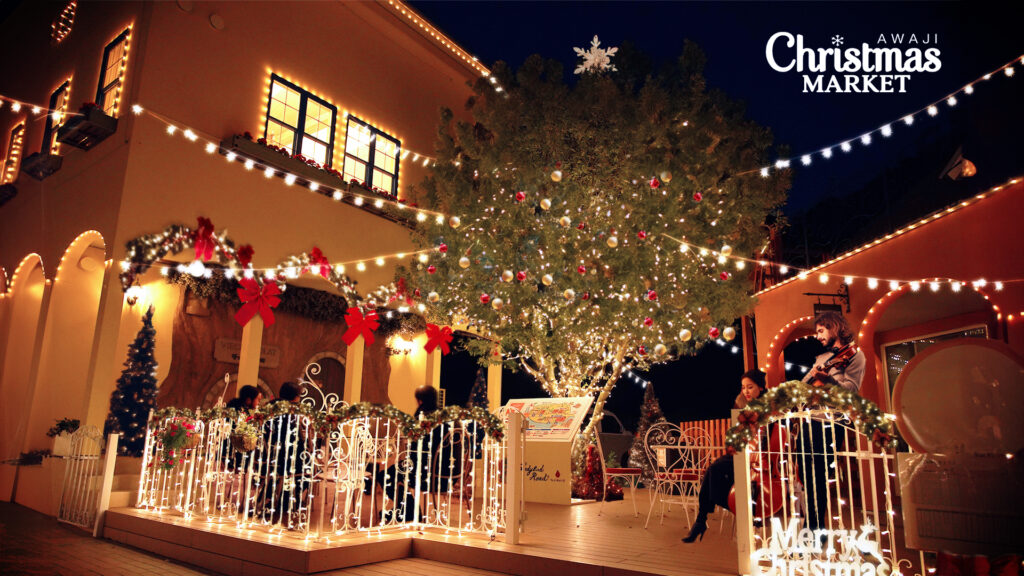
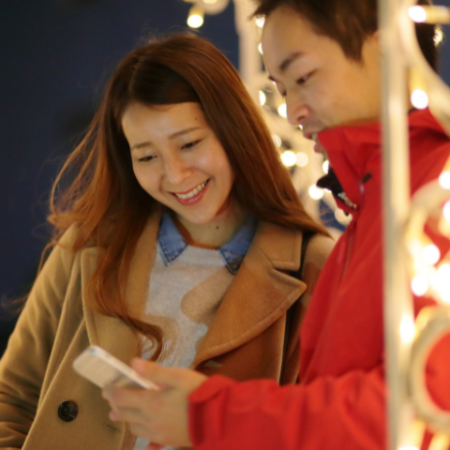
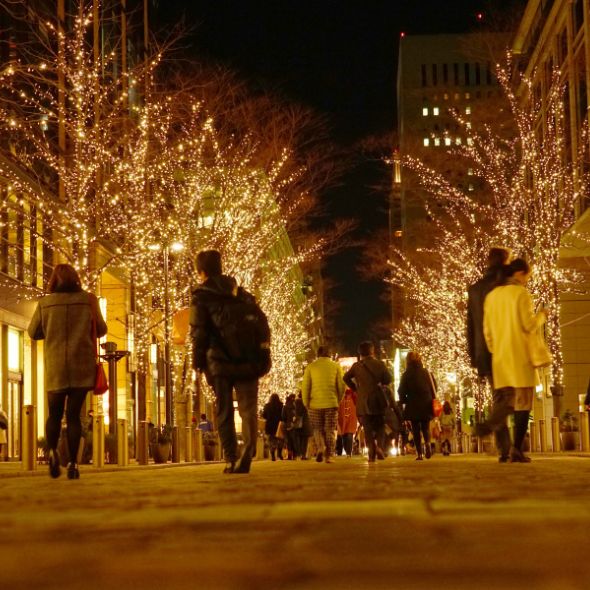
From November through December, shopping districts, hotels, and entertainment areas put up elaborate Christmas decorations. Large Christmas trees, sparkling light displays, and seasonal markets transform city streets into festive destinations. These illuminations, known as Christmas Illuminations, are especially popular for evening walks and photographs. Many couples, friends, and families visit them to enjoy the atmosphere and take in the winter scenery.
Christmas Eve: A Romantic Evening
In Japan, Christmas Eve (December 24) is often considered the main occasion for celebrating Christmas. It has developed into a popular date night, somewhat similar to Valentine’s Day in Western countries. Couples may arrange special dinners, exchange gifts, and visit illuminated streets or Christmas events together.
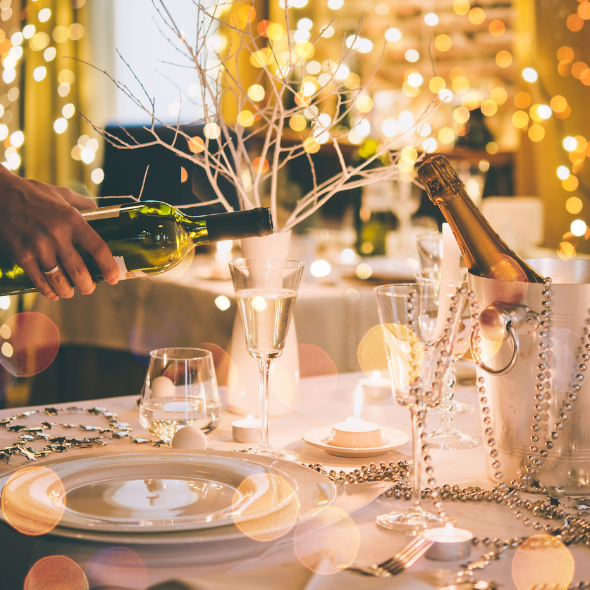
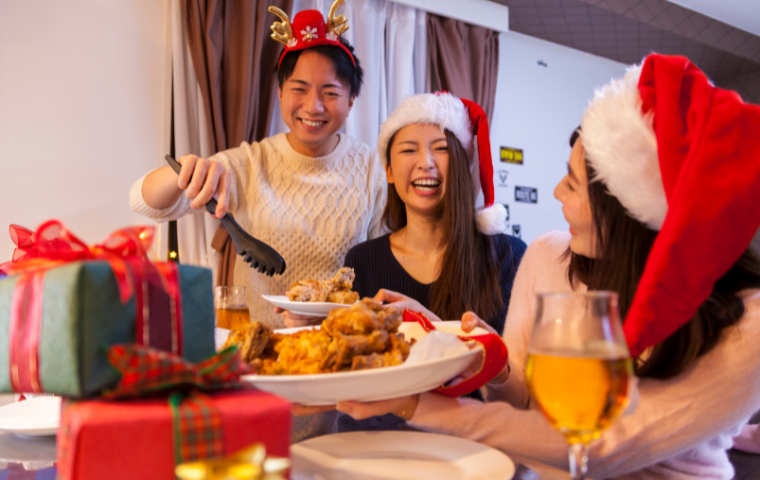
Restaurants and hotels often prepare special Christmas menus, and popular dining spots can fill up quickly. Friends and families also celebrate dinner parties at home, particularly when children are involved. Although these customs are common, there is no single way to celebrate: some people enjoy a festive evening out, while others treat December 24 and 25 as ordinary winter days.
Japanese Christmas Cake: A Sweet Holiday Tradition
One of Japan’s most recognizable Christmas traditions is Christmas Cake (クリスマスケーキ). The classic version is a light sponge cake topped with whipped cream and fresh strawberries, often decorated with small Christmas figures, chocolate ornaments or festive messages
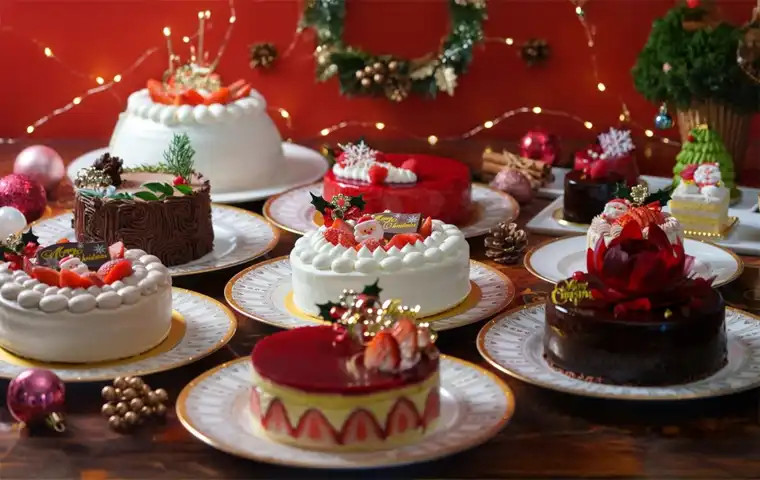
The tradition of enjoying Christmas cakes in Japan dates back to the early 20th century, but it became especially popular during the postwar period as Japan’s economy grew and Western-style celebrations became more widespread. Today, bakeries, department stores and convenience stores offer many variations, from traditional strawberry shortcakes to chocolate cakes and elaborate seasonal creations.
For many people, sharing Christmas cake is an essential part of the celebration. Its bright colors and delicate decorations make it a familiar sight in Japanese homes and shop windows throughout December.
Japanese New Year: The Most Important Holiday of the Year
While Christmas brings lights, shopping, and festive outings, New Year (お正月, Oshōgatsu) is a much more traditional and meaningful occasion. It is Japan’s most important holiday period, centered on family gatherings, welcoming good fortune, and making a fresh start.
The celebration officially begins on January 1, but preparations start well before the end of December. Families clean their homes, prepare special dishes, and decorate entrances with traditional ornaments. Many businesses close for several days around the New Year period, allowing people to spend time with relatives and take a break from everyday routines.
In Japanese culture, the arrival of a new year represents a fresh beginning. Many traditions are connected to good health, happiness, prosperity, and hope for a successful year ahead.
New Year’s Eve: Toshikoshi Soba and Temple Bells
December 31 is known as Ōmisoka (大晦日), or New Year’s Eve. Traditionally, it is a time to finish preparations, spend time with family, and leave the previous year’s worries behind.
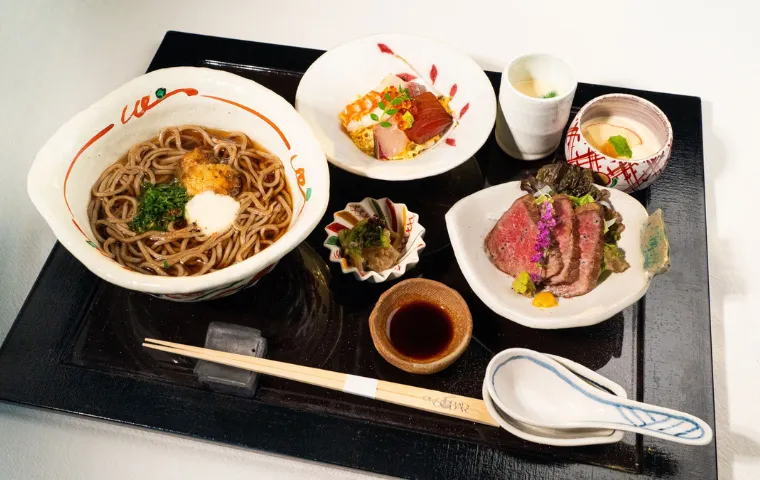
One of the most popular food traditions is Toshikoshi Soba (年越しそば), a bowl of buckwheat noodles eaten on New Year’s Eve. The long, thin noodles symbolize longevity and are associated with wishes for a long and healthy life, while their easy-to-break nature represents cutting ties with the hardships and misfortunes of the past year before welcoming the new one. Some families enjoy them at home, while others visit restaurants serving special New Year’s Eve soba.
Another memorable tradition takes place at Buddhist temples across Japan. At midnight, temples toll their bells 108 times in a ceremony called Joya no Kane (除夜の鐘). According to Buddhist belief, the 108 tolls represent the earthly desires and attachments that cause human suffering. Each of the 108 tolls is believed to dispel one of the 108 earthly desires, as the new year begins.
For visitors, hearing the temple tolls echo through the winter night can be a particularly atmospheric way to experience the transition into January.
Hatsumode: The First Shrine Visit of the Year
One of the most important New Year customs is Hatsumode (初詣), the first visit of the year to a Shinto shrine or Buddhist temple. Many people make this visit during the first three days of January to pray for good health, happiness, success and protection in the coming year.
Popular shrines and temples attract large crowds, with visitors lining up to offer prayers, purchase good-luck charms and draw fortunes known as Omikuji (おみくじ). These small paper fortunes offer predictions about different aspects of life, including health, relationships, work and travel. If a fortune predicts bad luck, visitors may tie the paper to a designated rack or tree at the shrine or temple, symbolically leaving the misfortune behind.

Some people also purchase Hamaya, traditional good-luck arrows believed to ward off evil and bring good fortune, or Omamori, small protective charms associated with particular wishes.
For travelers, Hatsumode offers a chance to experience the spiritual side of Japanese culture and see how traditional customs remain part of everyday life.
Osechi Ryori: Traditional Japanese New Year Food
Food plays a central role in Japanese New Year celebrations. One of the most distinctive traditions is Osechi Ryori (おせち料理), a collection of specially prepared dishes served in beautiful multi-layered lacquered boxes called Jubako.
Each dish has its own symbolic meaning, with ingredients chosen to represent wishes for the year ahead. Some common examples include:
- Kuromame: Sweet black soybeans associated with good health and diligence.
- Kazunoko: Herring roe symbolizing family prosperity and many descendants.
- Kurikinton: Sweet chestnut and mashed sweet potato, representing wealth and good fortune.
- Datemaki: A sweet rolled omelet made with eggs and fish paste associated with knowledge and learning.
- Kobumaki: Rolled kelp representing happiness, thanks to its association with the word yorokobu, meaning to be happy.
- Ebi: Shrimp symbolizing longevity, as its curved shape resembles the back of an elderly person.
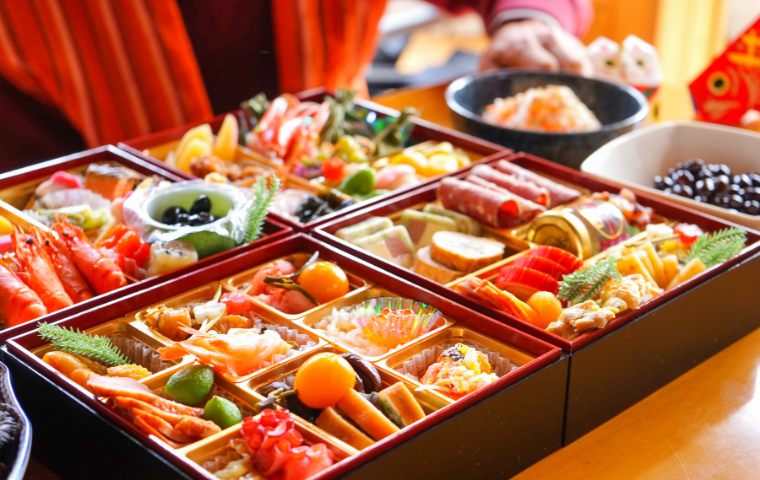
Another popular New Year dish is Ozoni (お雑煮), a soup containing mochi rice cakes. Its ingredients and preparation vary considerably from region to region. Some versions use a clear broth, while others have a miso-based soup.
These dishes are more than a festive meal. They reflect centuries of Japanese food culture and the tradition of welcoming the new year with wishes for happiness and prosperity.
Read more about Osechi Ryori
Otoshidama: New Year Gifts for Children
New Year is also a special time for children. One of the most anticipated customs is Otoshidama (お年玉), when parents, grandparents and other relatives give children money in small decorative envelopes called Pochibukuro (ポチ袋).
The amount usually depends on the child’s age and the family’s customs. The envelopes often feature colorful designs, popular characters or traditional New Year motifs.
For children, receiving Otoshidama is one of the highlights of the holiday. For adults, it is a way to share good wishes and celebrate the beginning of another year with younger family members.
New Year Decorations: Welcoming Good Fortune
In the days leading up to January 1, Japanese homes, businesses and public spaces display traditional decorations intended to welcome good fortune.
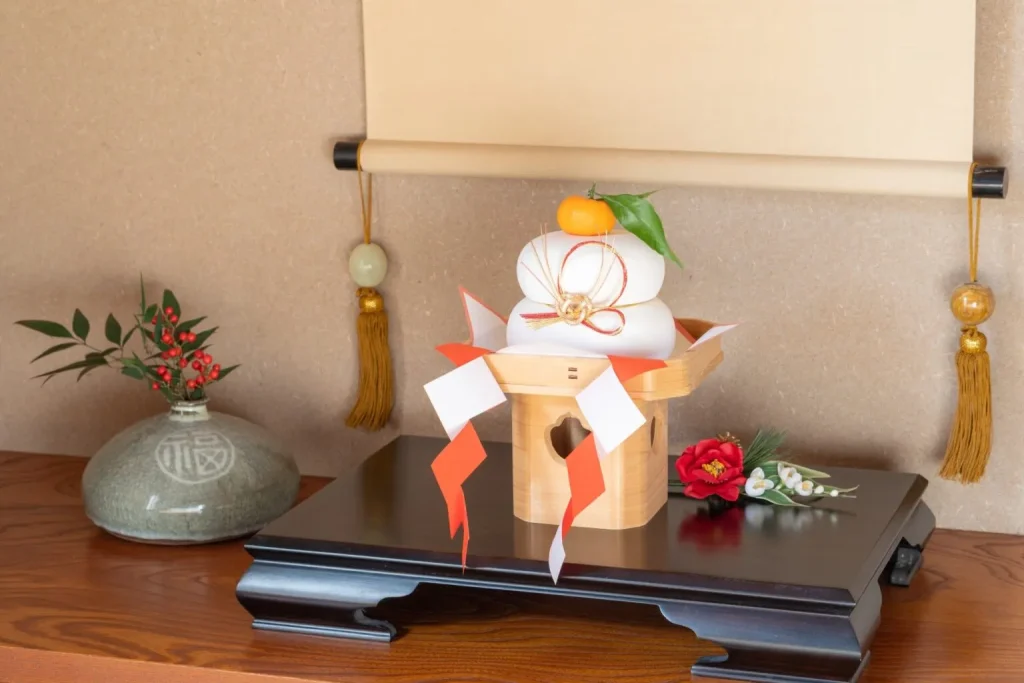
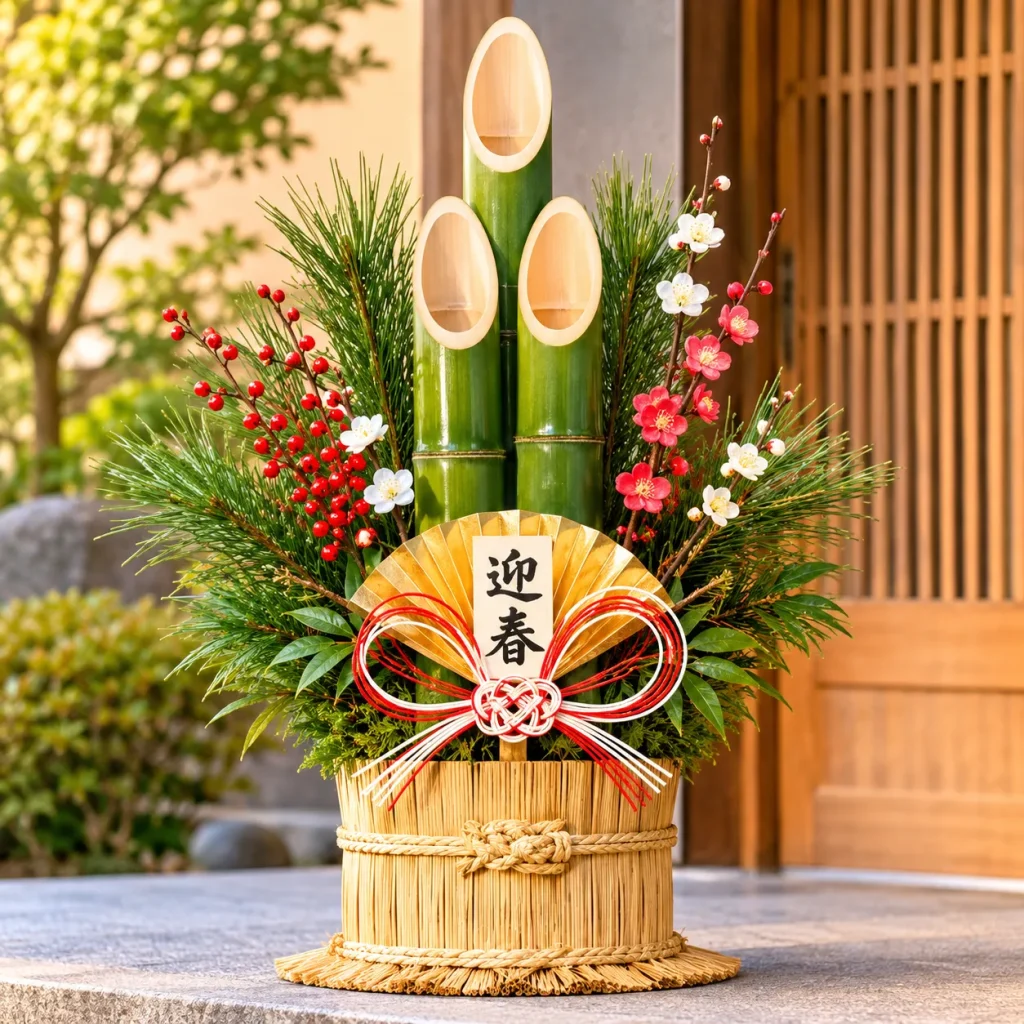
Two of the most recognizable ornaments are Kadomatsu (門松) and Kagami Mochi (鏡餅).
Kadomatsu are arrangements of pine branches and bamboo, sometimes decorated with plum branches. They are traditionally placed at entrances to welcome Toshigami, a deity associated with the New Year and good fortune.
Shimekazari (しめ飾り) is a traditional Japanese New Year decoration made from a sacred rice-straw rope called Shimenawa. It is often decorated with fern leaves, paper streamers, and other lucky ornaments, then hung above the entrance of a home or business.
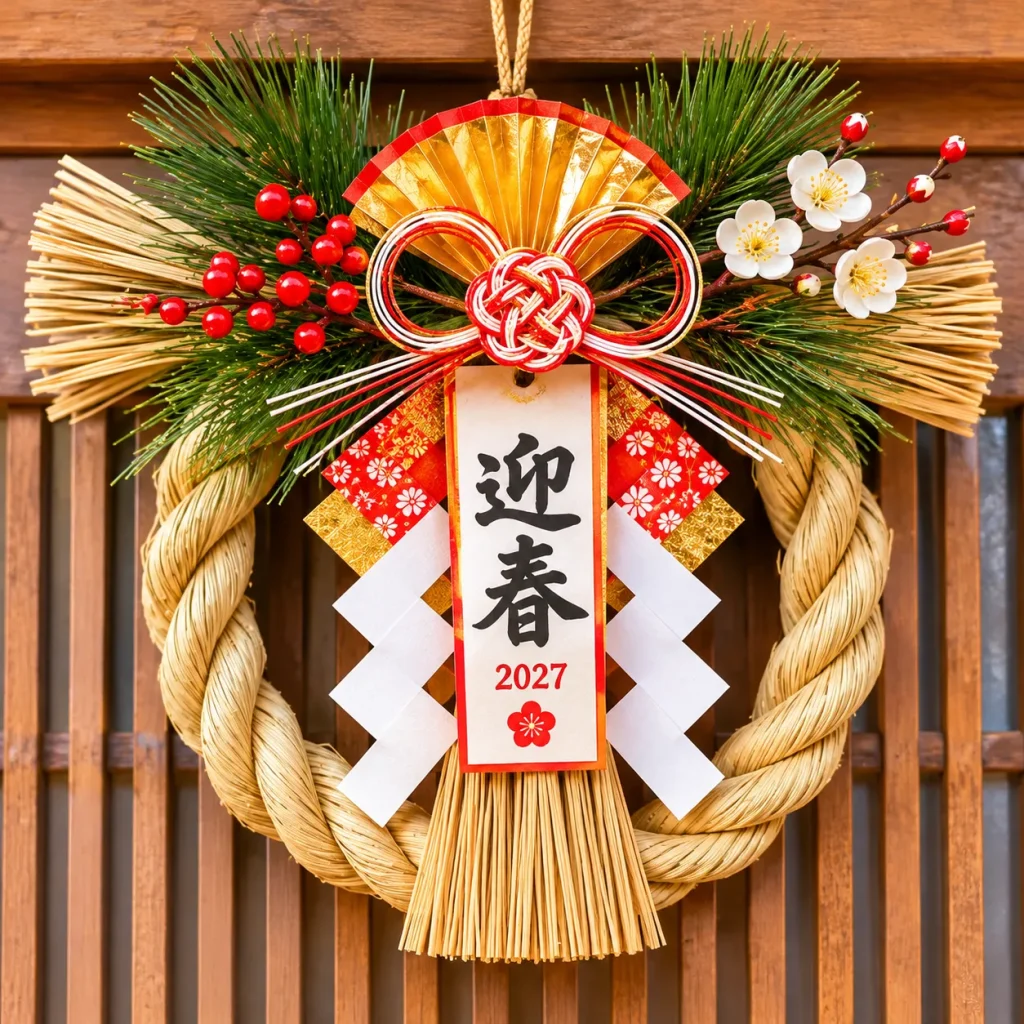
The decoration marks the entrance as a special, purified space and welcomes Toshigami, a traditional Japanese New Year deity who is believed to visit homes and bring good health, happiness and good fortune for the year ahead. Shimekazari is usually displayed in late December and removed after the New Year holiday, with timing varying by region. It’s a familiar sight on Japanese doorways during the festive season, adding a distinctive touch to the country’s New Year celebrations.
These decorations give Japanese streets and homes a distinctive seasonal appearance. They are a reminder that New Year is not simply a countdown to midnight, but a celebration with customs that begin long before January 1.
Christmas vs. New Year in Japan: What’s the Difference?
Although Christmas and New Year take place only a week apart, they have very different roles in Japanese society. Christmas is largely a modern seasonal celebration, while New Year is a deeply established cultural tradition.
| Christmas | Japanese New Year |
| December 24–25 | December 31–January 3 and beyond |
| Romantic dates and festive gatherings | Family gatherings and traditional customs |
| Christmas cake and fried chicken | Osechi ryori, ozoni and toshikoshi soba |
| Illuminations and Christmas decorations | Kadomatsu and kagami mochi |
| Exchanging gifts, especially between couples and families | Otoshidama for children |
| Not a national public holiday | One of the most important holiday periods in Japan |
For international visitors, the contrast makes the winter season especially interesting. You can enjoy the lively atmosphere of Christmas illuminations in December, then experience a quieter and more traditional side of Japan as the country welcomes the New Year.
Closing: Visiting Japan During Christmas and New Year
Winter is a wonderful time to experience Japan, but it is worth planning around the different holiday schedules. Christmas is generally a normal working day, so most shops, restaurants, and public attractions operate as usual, although special events and dining reservations may require advance planning.
New Year is different. Many shops, restaurants, museums, and other businesses close from around December 29 through the first few days of January, although schedules vary by location. Major shrines and temples become busy with Hatsumode visitors, while some tourist attractions continue to welcome guests. Checking opening hours and transportation schedules before traveling is particularly important.
If you want to experience the season beyond the major cities, consider adding a trip to Awaji Island to your winter itinerary. Located between Kobe and Shikoku, the island offers a change of pace from the busy urban atmosphere, with coastal scenery, exquisite local cuisine and places to relax. It is an opportunity to enjoy Japan’s winter landscapes while discovering a different side of the country.
If you’re planning to spend the holiday season in Japan, make room for a memorable meal along the way. From festive dinners to seasonal menus featuring local ingredients, Christmas and New Year’s dining on Awaji Island offers plenty of inspiration for celebrating the season. Explore our restaurant recommendations and find a place to enjoy good food, beautiful surroundings, and a relaxing winter escape.