

A stay at a traditional Japanese ryokan is more than accommodation—it’s an opportunity to experience a slower, more mindful side of Japan. Wake up to peaceful surroundings, soak in a hot spring, savor seasonal cuisine, and discover the quiet beauty of omotenashi, Japan’s timeless spirit of hospitality. For many travelers, a ryokan stay becomes one of the most memorable moments of their journey.
If you’re planning your first ryokan stay, knowing what to expect can help you enjoy the experience with confidence. This first-time Japanese ryokan guide introduces the customs, etiquette, dining, and unique hospitality that make a ryokan special, while showing how Senshin Waho, the Awaji Island ryokan offers an authentic yet welcoming introduction to one of Japan’s most treasured traditions.
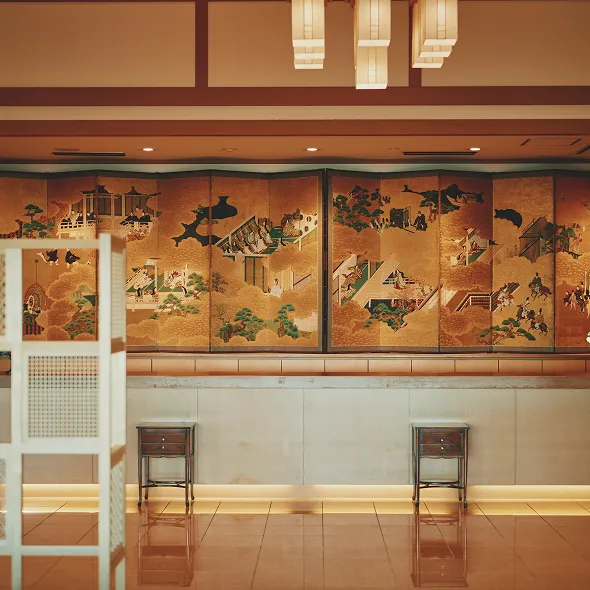
Table of Contents
- What Is a Japanese Ryokan?
- Japanese Onsen (Ryokan Bath) Etiquette
- Dining at Japanese Ryokan Senshin Waho
- Seasonal Kaiseki Dinner: A Taste of Awaji Island
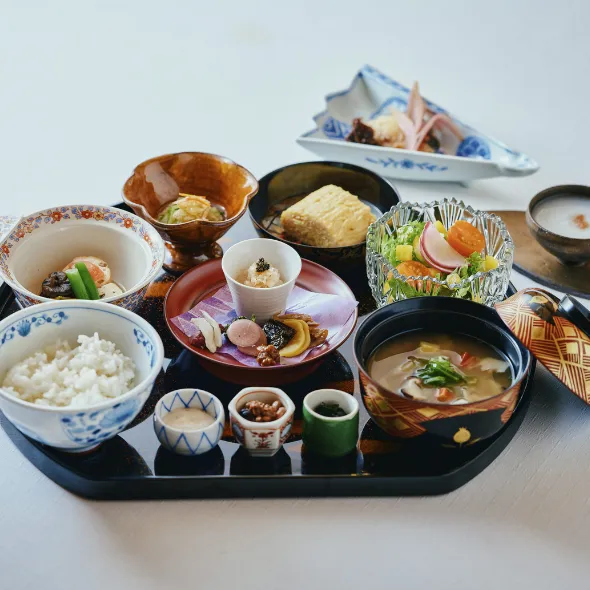
- Japanese Breakfast: A Gentle Start to Your Day
- Why Awaji Island Is One of Japan’s Best Places for Your First Ryokan Stay
- How to Get to Senshin Waho
- Closing
What Is a Japanese Ryokan?
A ryokan is a traditional Japanese inn with a history of more than 1,300 years. Originally serving merchants, pilgrims, and samurai traveling along Japan’s ancient roads, ryokan have evolved into elegant accommodations that preserve centuries of Japanese culture and hospitality. Unlike a hotel, where service is often centered on efficiency, a ryokan offers an immersive cultural experience through traditional architecture, seasonal cuisine, and philosophy.
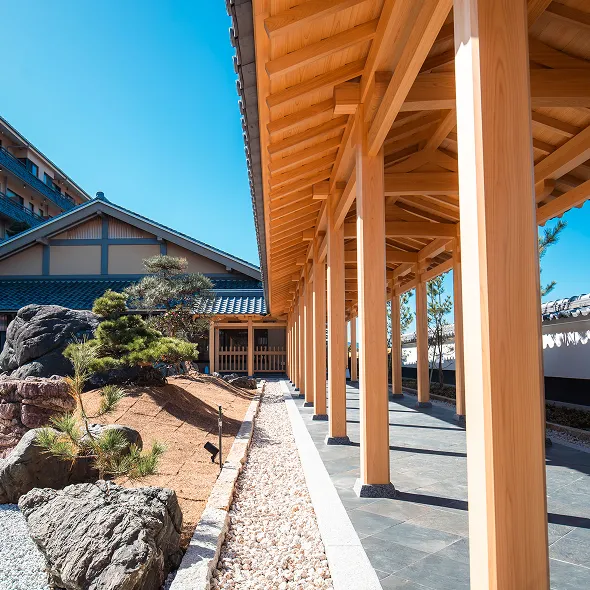
What truly distinguishes a Japanese ryokan from a hotel is the philosophy of omotenashi—Japan’s unique approach to hospitality. Rather than simply responding to guests’ requests, omotenashi is about anticipating their needs before they are expressed and creating a seamless, heartfelt experience without expecting anything in return. From being welcomed with Japanese tea upon arrival to carefully timing a multi-course kaiseki dinner, every detail is thoughtfully arranged to make you feel genuinely cared for. Unlike the standardized service found in many hotels, each interaction at a ryokan is personal, distinct, and deeply rooted in centuries of tradition, transforming an overnight stay into a meaningful cultural experience.
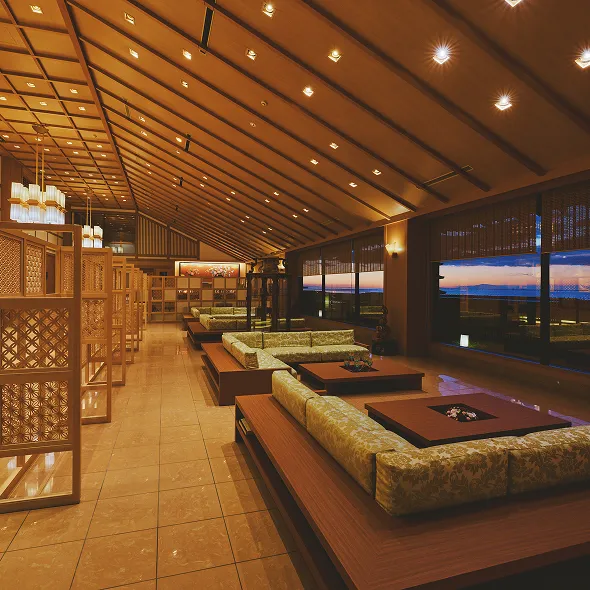
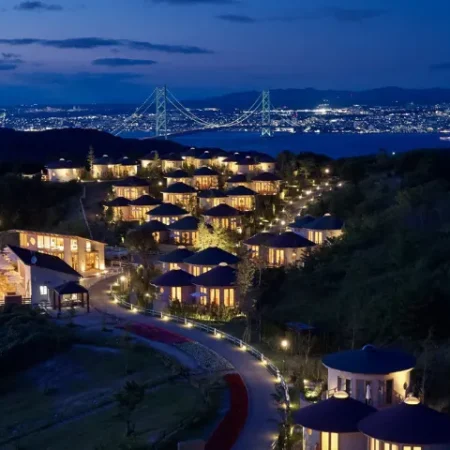
At Senshin Waho, guests are welcomed with tea as they check in from a comfortable sofa overlooking the Seto Inland Sea, rather than at a reception counter. A staff member then introduces the ryokan, explains the onsen etiquette (the hot spring baths), and personally escorts guests to their room. There, Japanese-style robes, slippers, and welcome snacks await, with every thoughtful touch carefully prepared before arrival. Rather than simply providing a place to stay, this personalized approach to hospitality creates a memorable experience that reflects the true spirit of a Japanese ryokan.
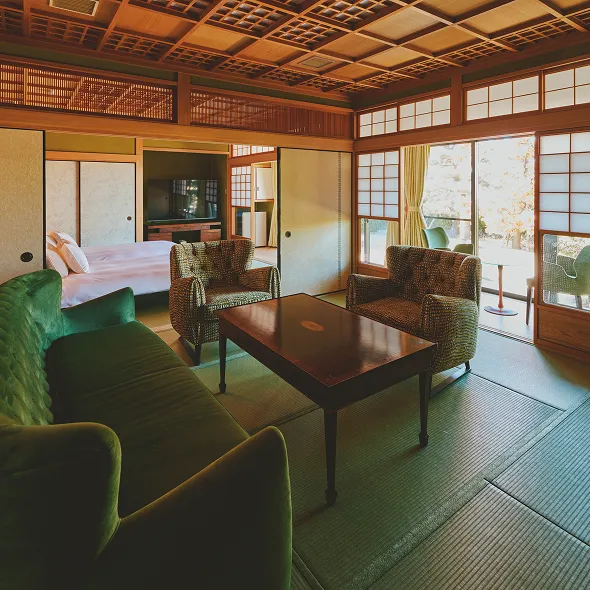
Upon entering your room, you’ll find traditional Japanese-style robes to wear throughout your stay, along with comfortable slippers for indoor use. A selection of welcome snacks and refreshments is thoughtfully prepared, allowing you to unwind as soon as you arrive. The rooms are also equipped with modern amenities, including air conditioning, complimentary Wi-Fi, a television, premium toiletries, a hairdryer, towels, and tea-making facilities, ensuring a comfortable stay while preserving the authentic atmosphere of a traditional ryokan.
Japanese Onsen (Ryokan Bath) Etiquette
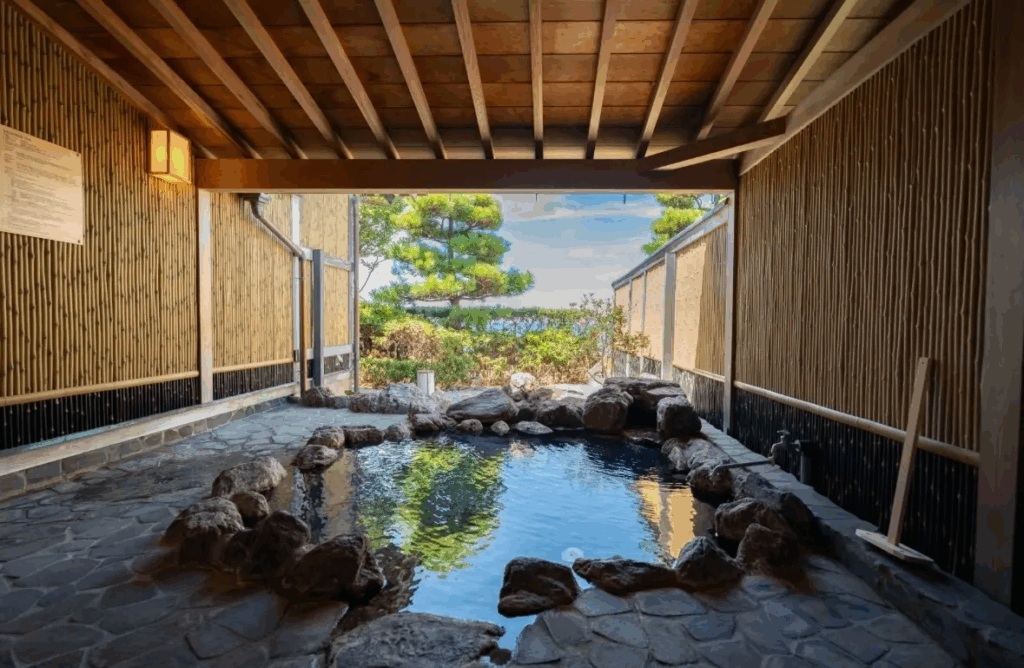
Experiencing an onsen (Japanese hot spring) is one of the most relaxing and meaningful parts of staying at a ryokan. At Senshin Waho, guests can enjoy both indoor and open-air hot spring baths, as well as a sauna, surrounded by a peaceful atmosphere where you can slow down and reconnect with yourself. After bathing, the spacious dressing area provides comfortable seating, mirrors, hairdryers, and vanity spaces where guests can dry their hair, complete their skincare routine, or prepare comfortably after the bath.
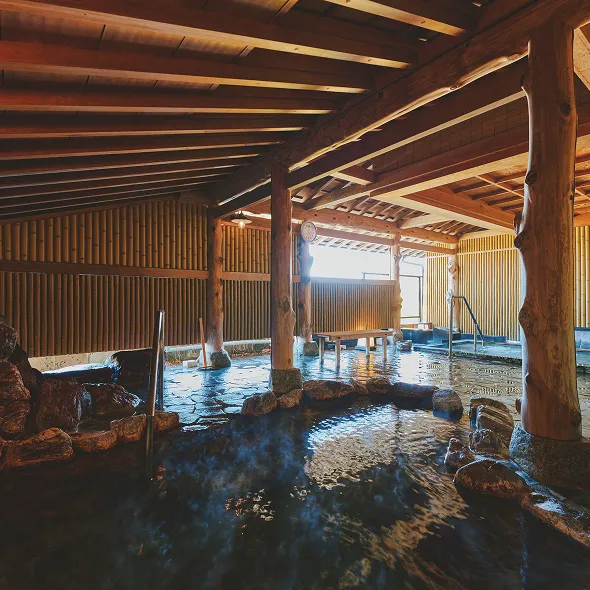
For first-time visitors, following Japanese onsen etiquette helps everyone enjoy this traditional experience. The basic rules are simple:
- Remove all clothing, jewelry, and accessories before entering the bathing area. Store your belongings safely in the changing room.
- Wash your body and remove your make up before entering the hot spring. Use the shower station to rinse thoroughly with soap and shampoo before soaking. The onsen water is for relaxing, not for washing your body.
- Do not wash your hair in the hot spring. If you need to wash your hair, do so in the shower area before entering the bath.
- Tie up long hair before entering the bath. Hair should not touch the shared hot spring water.
- Keep conversations quiet. Onsen spaces are places for relaxation and reflection, so please respect the peaceful atmosphere.
- Do not swim, splash, or play in the bath. The onsen is designed for quiet relaxation.
- Keep your small towel out of the water. Place it on your head or better yet, beside the bath while soaking.
- Rinse yourself before returning to the bath after using the sauna. This keeps the water clean and comfortable for all guests.
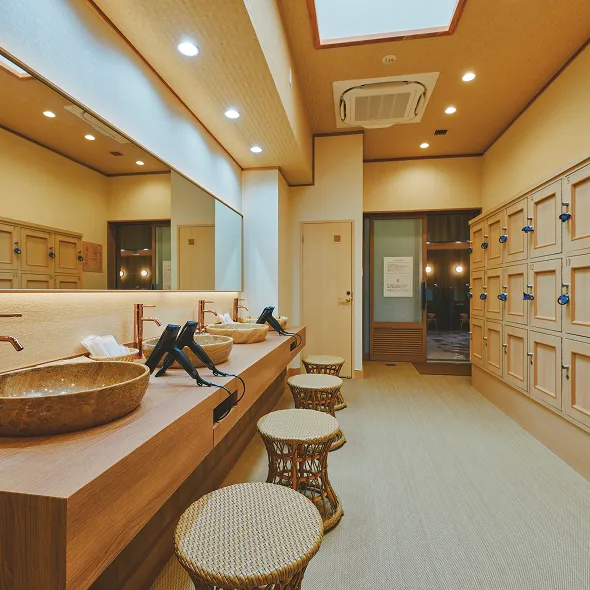
For guests with tattoos, Senshin Waho offers suites with private onsen baths, allowing you to enjoy the Japanese hot spring experience in complete comfort and privacy. Relax in your own private bathing space while experiencing the calming tradition of an onsen at your own pace. Please note that, following Japanese bathing customs, tattoos are not permitted in the public hot spring baths at Senshin Waho ryokan.
Dining at Japanese Ryokan Senshin Waho
The dining space at Senshin Waho offers a refined Japanese atmosphere with warm wooden interiors, soft lighting, and beautiful views of the Seto Inland Sea. Surrounded by traditional design and natural scenery, guests can enjoy seasonal cuisine in a peaceful setting where every meal becomes part of the ryokan experience.
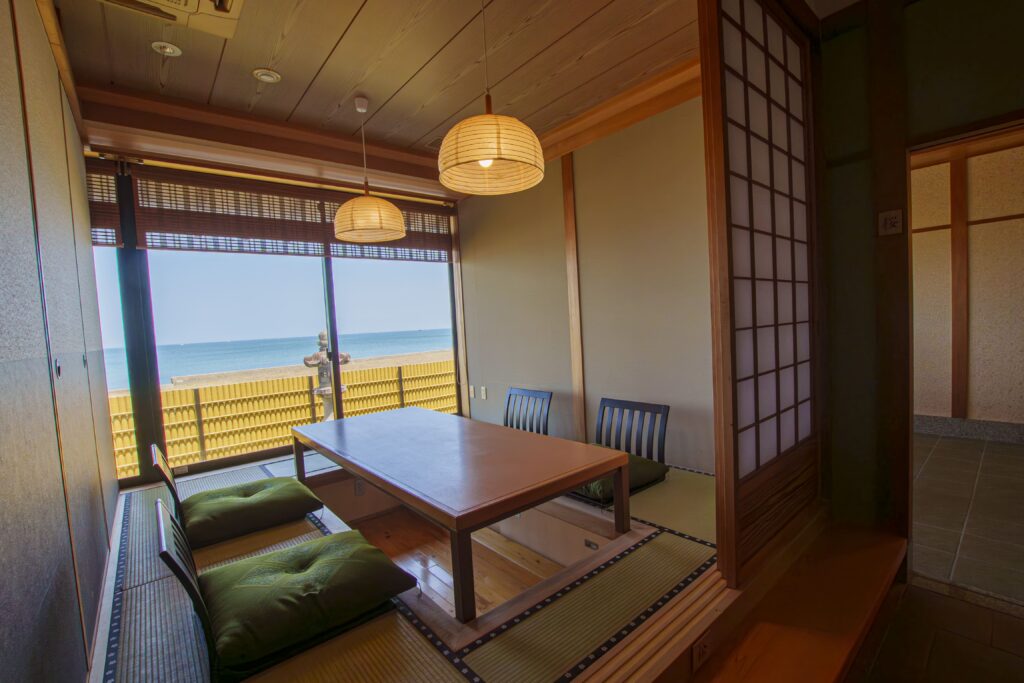
Seasonal Kaiseki Dinner: A Taste of Awaji Island
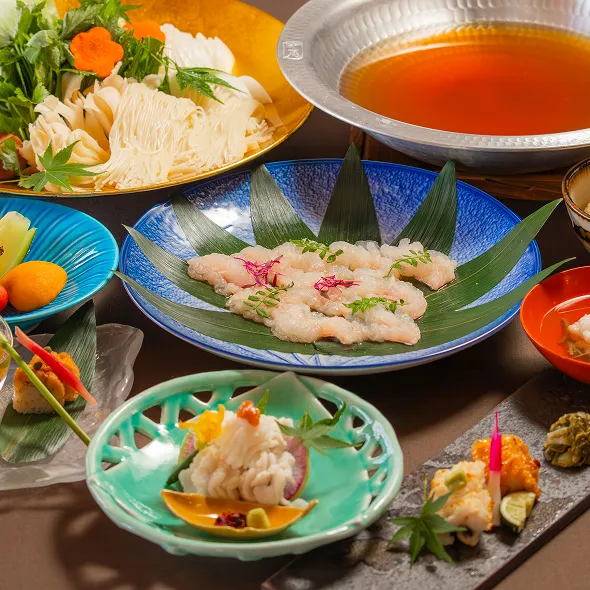
Dinner at Senshin Waho is a carefully crafted journey through the flavors and seasons of Awaji Island. The traditional kaiseki experience showcases the island’s exceptional ingredients, including fresh seafood from the surrounding sea, locally grown vegetables, and seasonal ingredients prepared with refined Japanese techniques. Each dish is thoughtfully presented to highlight the natural flavors, colors, and textures of the ingredients, allowing guests to experience the rich culinary heritage of Awaji Island, once known as Miketsukuni—the ancient “Land of Food” that supplied ingredients to the Imperial Court.
Japanese Breakfast: A Gentle Start to Your Day
Begin your morning with an authentic Japanese breakfast designed to awaken your senses and prepare you for a new day of exploration. Featuring seasonal ingredients, freshly prepared rice, soup, grilled seafood, and carefully selected side dishes, the breakfast reflects the Japanese appreciation for balance, simplicity, and quality. Served in a peaceful setting, it offers a moment to slow down and enjoy the flavors of Awaji Island before continuing your journey.
Why Awaji Island Is One of Japan’s Best Places for Your First Ryokan Stay
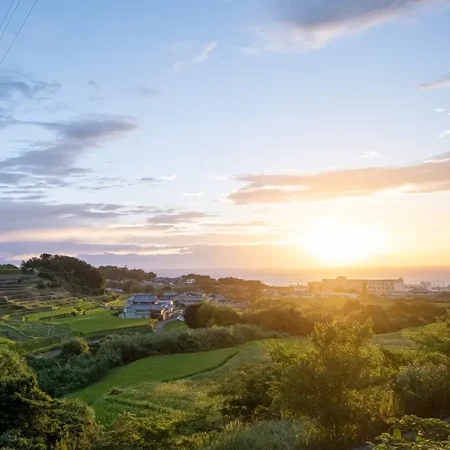
Awaji Island offers a more peaceful setting for travelers experiencing a ryokan stay for the first time. Surrounded by nature and the scenic coastline of the Seto Inland Sea, the island provides a slower pace with fewer crowds, allowing guests to fully enjoy the quiet atmosphere, Japanese hospitality, and relaxing surroundings.
Located within easy reach from Osaka and Kobe, Awaji Island is a convenient escape from the city while offering an authentic side of Japan. Visitors can experience traditional architecture, seasonal cuisine, and the beauty of nature without the busy streets and tourist crowds often found in major destinations.
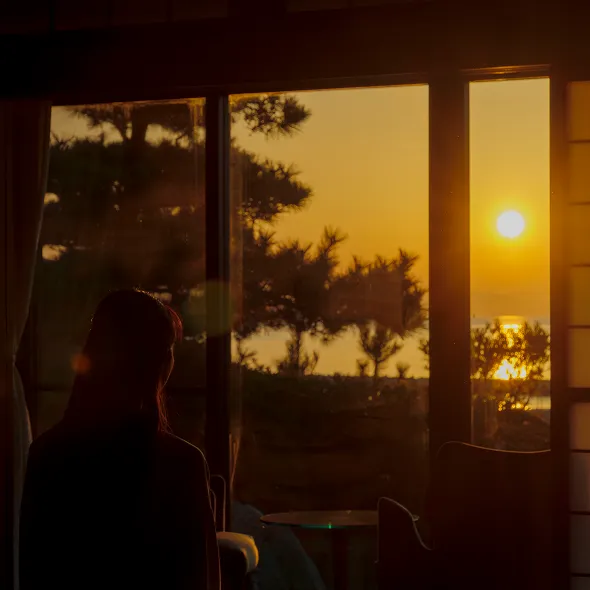
For travelers seeking a genuine Japanese experience away from crowded tourist hubs, Awaji Island combines tranquil ryokan stays, fresh local ingredients, and beautiful coastal landscapes into a memorable first journey into traditional Japan.
How to Get to Senshin Waho
Located on Awaji Island, Senshin Waho is just around one hour from Kobe. Take an express bus to Awaji Interchange, Iwaya Chugakko Mae (Iwaya Junior High School), or Iwaya Port, then continue to the ryokan using shuttle bus available on Awaji Island. In addition, for those taking public transportation, Senshin Waho will arrange a pick-up from either Iwaya Port or Hokudan IC.
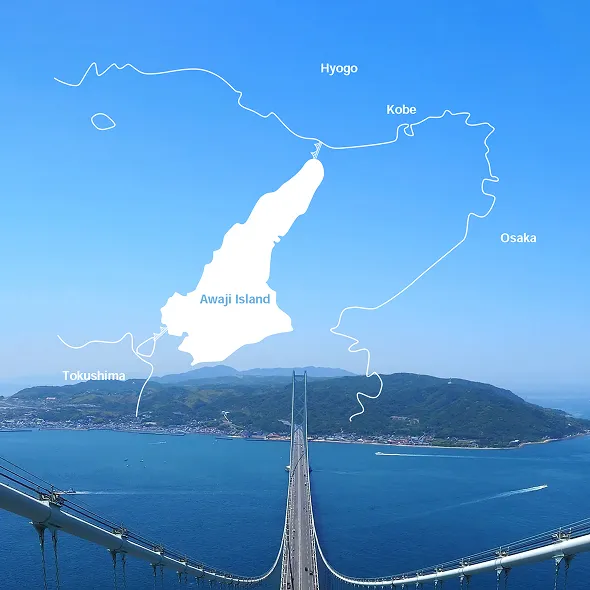
Awaji Island is an easy destination for a day trip or weekend getaway from Osaka, with access options by car, express bus, or ferry connections. For detailed transportation information, check out our Awaji Island Access Guide.
Closing
A stay at Senshin Waho offers more than a night’s accommodation—it is an opportunity to experience the traditions, flavors, and peaceful beauty of Japan. From ocean-view tatami rooms and relaxing hot spring baths to seasonal kaiseki cuisine featuring the best of Awaji Island, every moment is designed to help guests slow down and reconnect with Japanese culture.
Discover the full Senshin Waho experience, including accommodation details, dining, and onsen facilities on our dedicated facility page.
Experiencing Traditional Hospitality on Awaji Island
Staying at a traditional Japanese ryokan offers far more than just a place to sleep—it provides an authentic cultural experience featuring tatami rooms, soothing hot springs (onsen), and multi-course kaiseki dining. Pairing a ryokan stay with the island’s scenic views creates the perfect setting for relaxation.
Looking for more places to stay, from classic ryokans to modern luxury hotels? Browse our full accommodation guide below: