

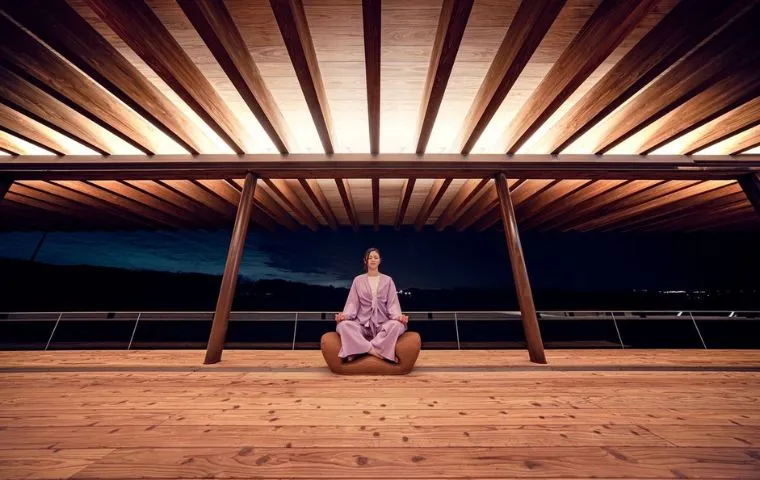
Finding true stillness can feel impossible in today’s fast-paced world. Japan offers a unique remedy—a culture where ancient spiritual practices and deep nature immersion are seamlessly woven into daily life. From traditional temple stays to modern architectural sanctuaries, wellness in Japan is about real, transformative restoration.
Whether you are looking to quiet a busy mind through Zen meditation, soak in mineral-rich thermal waters, or reconnect with nature, here are the top wellness retreats in Japan for your mind, body, and spirit.
Table of Contents
- Quick Comparison: Top Japanese Wellness Escapes
- 1. Modern Architectural Zen: Zenbo Seinei (Awaji Island)
- 2. Glamping & Enzyme Detox: GRAND CHARIOT Hokutoshichisei 135°
- 3. Sacred Temple Stays: Shukubo at Mount Koya (Wakayama)
- 4. Thermal Healing & Onsen Culture: Beniya Mukayu (Ishikawa)
- 5. Forest Bathing & Mountain Wellness: Hoshinoya Karuizawa (Nagano)
- 6. Urban Sanctuary & Japanese Biohacking: Six Senses Kyoto
- 7. Traditional Geothermal Healing: Beppu Onsen & Toji Stays (Oita, Kyushu)
- Rest and Recharge on Awaji Island
- Frequently Asked Questions About Wellness Retreats in Japan
Quick Comparison: Top Japanese Wellness Escapes
| Retreat | Location | Core Focus | Ideal For |
|---|---|---|---|
| Zenbo Seinei | Awaji Island (Kansai) | Zen Meditation & Mindfulness | Architecture lovers & day/overnight mental reset |
| GRAND CHARIOT Hokutoshichisei 135° | Awaji Island (Kansai) | Forest Bathing & Enzyme Detox | Nature immersion, stargazing & holistic luxury |
| Mount Koya Shukubo | Wakayama Prefecture | Buddhist Temple Stay & Monastic Life | Deep spiritual & cultural history seekers |
| Beniya Mukayu | Yamashiro Onsen, Ishikawa Prefecture | Onsen Bathing & Kaiseki Dining | Traditional ryokan elegance & thermal healing |
| Hoshinoya Karuizawa | Karuizawa, Nagano Prefecture | Shinrin-yoku (Forest Bathing) & Geothermal Baths | Alpine relaxation & active outdoor restoration |
| Six Senses Kyoto | Kyoto (Higashiyama District) | Kampo Medicine & Advanced Biohacking | Urban travelers seeking high-tech & traditional wellness |
| Beppu Onsen & Toji Stays | Beppu, Oita Prefecture (Kyushu) | Geothermal Hot Spring Therapy & Jigoku-mushi | Authentic thermal healing & traditional mineral reset |
1. Modern Architectural Zen: Zenbo Seinei (Awaji Island)

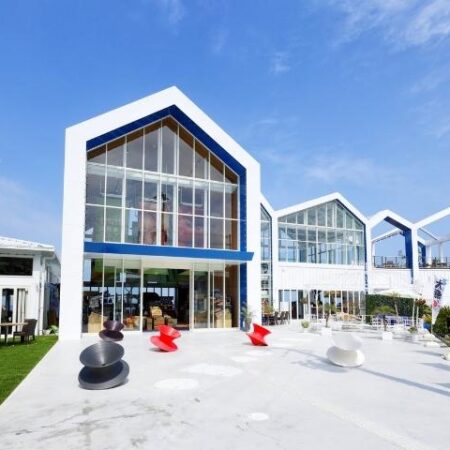
Suspended above the lush forest canopy of Awaji Island, Zenbo Seinei is a modern sanctuary designed by Pritzker Prize-winning architect Shigeru Ban. The open-air 100-meter wooden deck offers 360-degree views of the surrounding mountains, making it an incredible setting for mindfulness.
The retreat blends traditional Zen practices with contemporary comfort. Guests participate in guided Zen meditation (Zazen), gentle yoga, and sound therapy. The dining experience centers on Zenbo Cuisine, a plant-based menu prepared without animal products, refined sugar, or oil, highlighting local fermented ingredients that nourish the gut.
- Best For: Travelers seeking a serene retreat focused on meditation and design.
- Format: Day programs (approx. 4 hours) and 2-day/1-night overnight stays.
- Getting There: Direct highway bus options are available from major Kansai hubs like Kobe and Osaka and Akashi (just before the bridge) until Awaji.
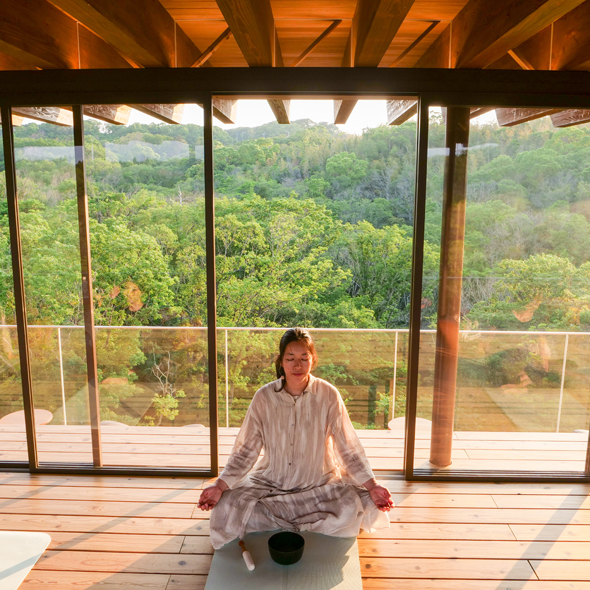
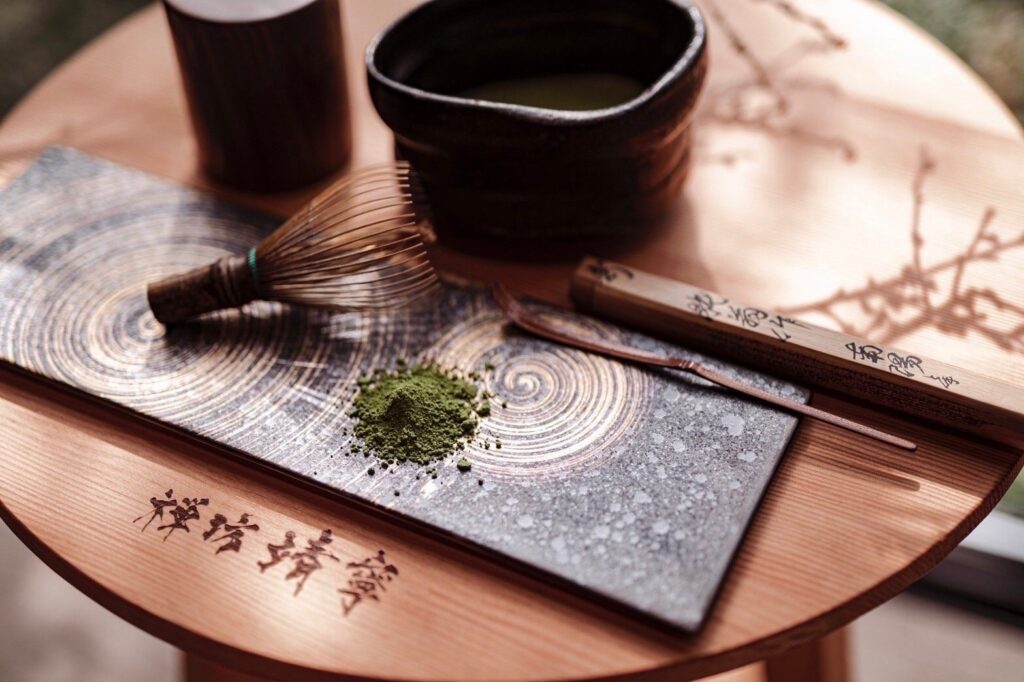
The Zen tea ceremony presents a contemplative opportunity, inviting visitors to immerse themselves in the elegance and aesthetics of this traditional Japanese ritual.
Participants are given their own matcha-making kit and are encouraged to find a serene spot of their choosing within the Zen facility to partake in the tea ceremony. Alongside a set of instructions, the tea ceremony is all about carefully performing each step meticulously and with deep contemplation. Remember, it’s just you, and your own matcha green tea – use this time to reflect and heal from within.
Afterward, participants gather and enjoy traditional Japanese wagashi (sweets) in this communal experience. Made with seasonal Awaji Island ingredients, these traditional Japanese snacks are sure to delight.
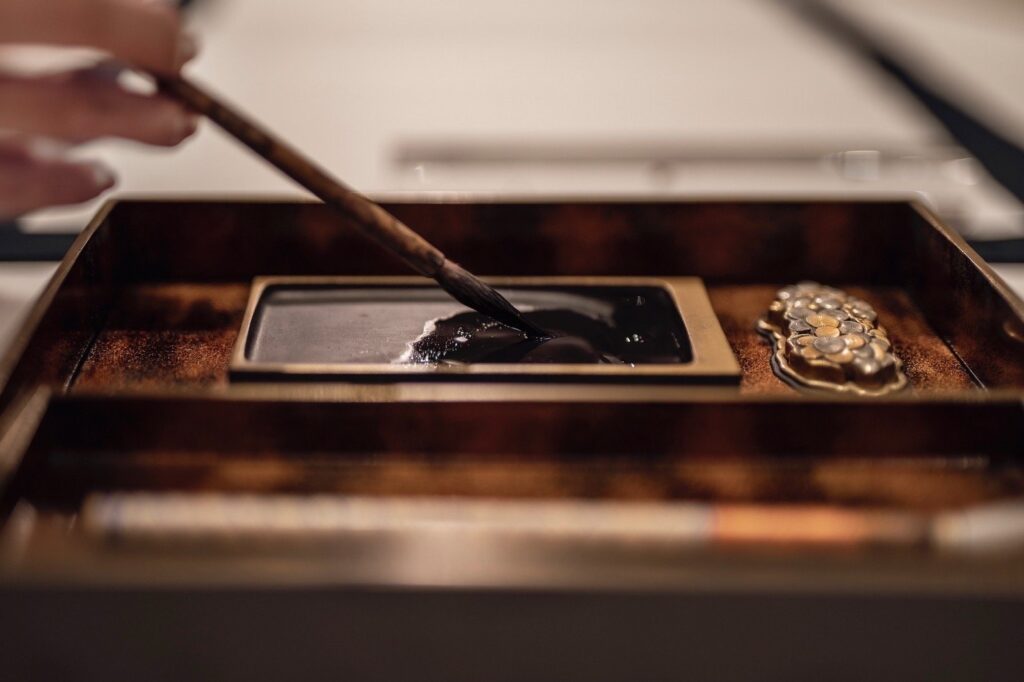
Zen calligraphy serves as a medium for self-expression and introspection through the medium of brush and ink, encouraging the journey of self-discovery.
At Zenbo Seinei, participants are invited to partake in Zen calligraphy workshops. To master Zen calligraphy, the goal isn’t to practice day-in-day-out to perfect each stroke. Rather, the philosophy behind Zen calligraphy is to clear your mind and become one with the meaning of each character you write.
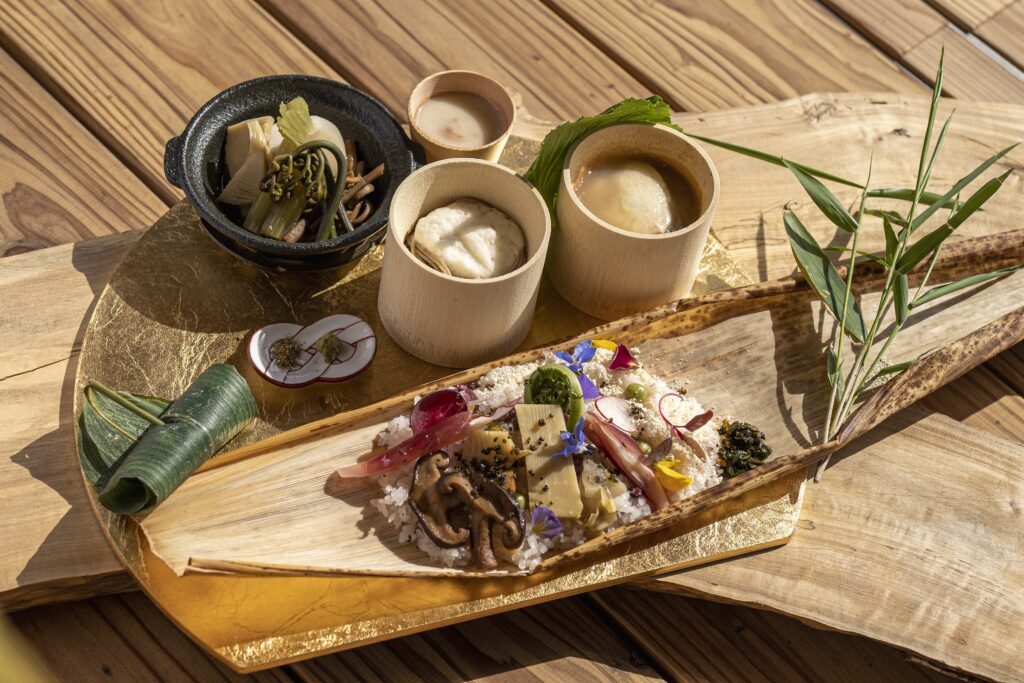
Additionally, Zenbo Cuisine (vegetarian cuisine) treats the senses to the rich flavors of Awaji Island’s native ingredients, nurturing both the body and soul.
Participants can enjoy vegetarian Zen cuisine packed with probiotics and free of oil, dairy, and flour to promote healthy eating and wellness. Made with local, seasonal Awaji Island ingredients, as well as exquisite seasonings such as a mirin aged for three years straight from the brewery, this is a health food experience like no other.
Recently, the desire to unwind and detach from the fast pace of daily life has experienced notable growth. For those looking for a wellness resort in Japan, Zenbo Seinei emerges as an ideal destination. Through pursuits like meditation, the Zen tea ceremony, and Zen calligraphy, guided by experts in wellness coaching, this wellness retreat nurtures the mental and physical wellbeing of individuals.
| Name | Zenbo Seinei |
|---|---|
| Address | 2594-5 Aza-Banaka, Kusumoto, Awaji City, Hyogo Pref. 656-2301 A free shuttle bus is available. |
| Tel | 0799-70-9087 |
| Website | https://www.zenbo-seinei.com/en/ |
| Program Reservations | https://zenbo-seinei.com/en/onedayplan/ |
| Hotel Reservation | https://zenbo-seinei.com/en/zenstayplan/ |
| Operation Hours | Mon: 9:00 am~5:00 pm / Tues~Sun: 11:00 am~6:30 pm Closed: Varies depending on a month. Please inquire. |
Click here for details of ZENBO SEINEI
2. Glamping & Enzyme Detox: GRAND CHARIOT Hokutoshichisei 135°
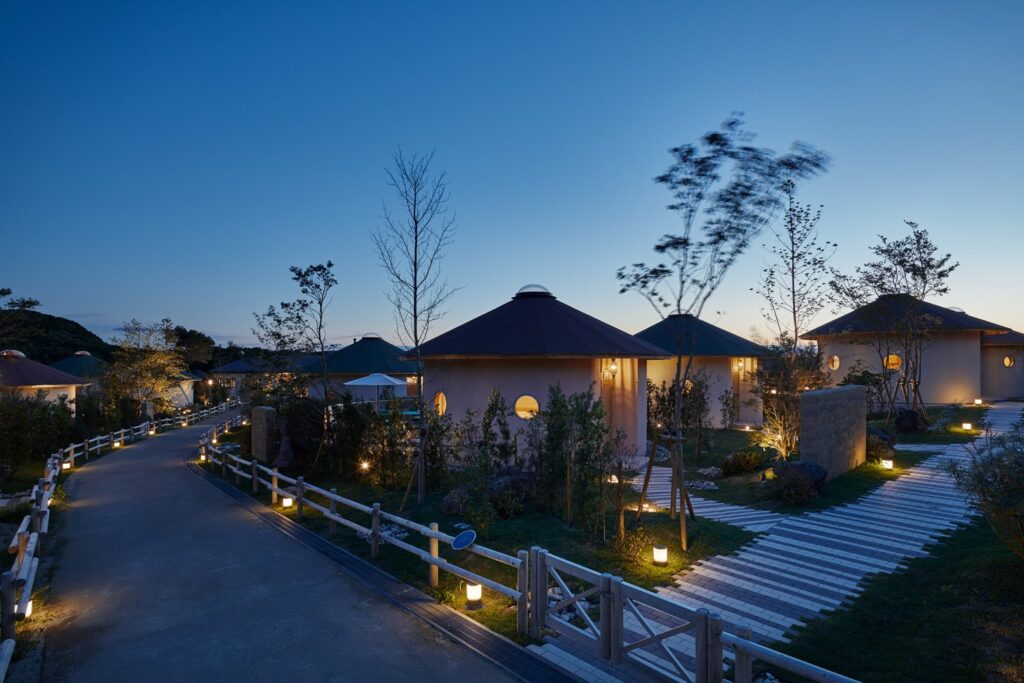
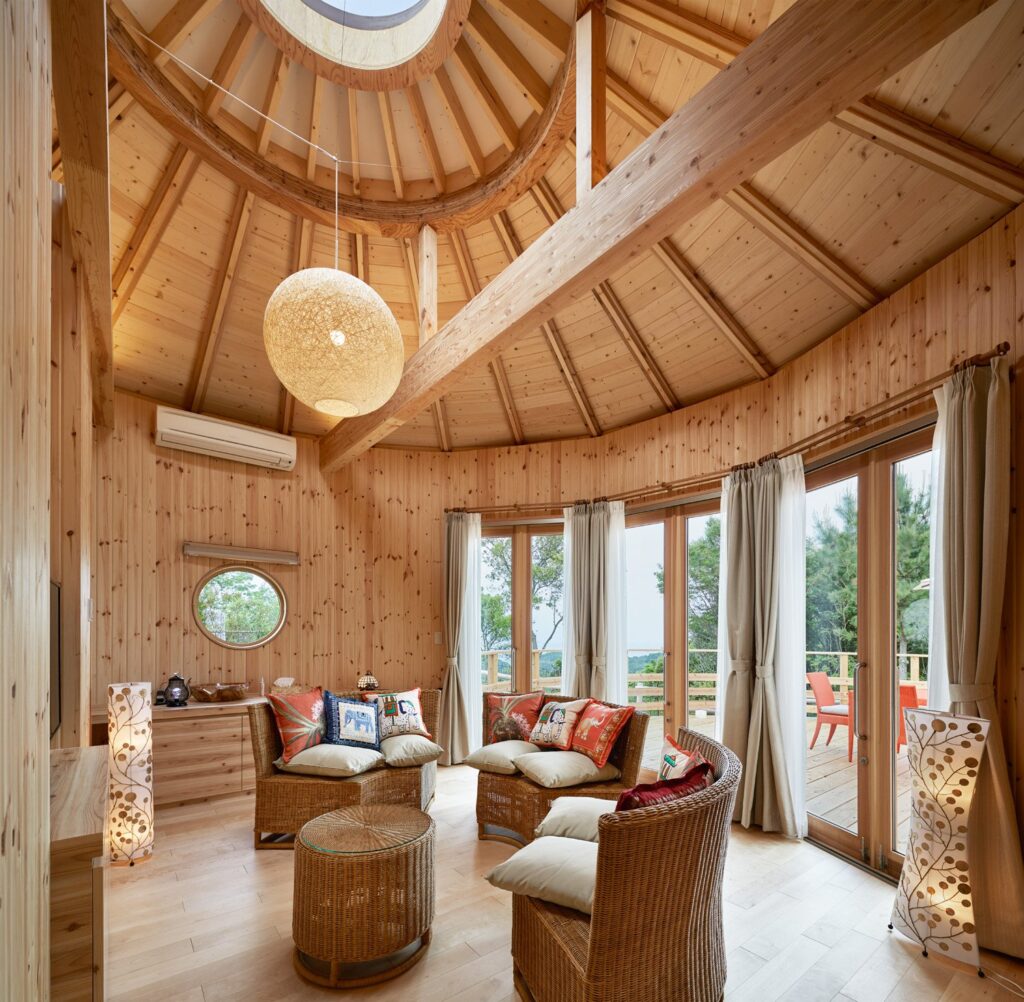
Perched on the highest point of Hyogo Prefectural Awajishima Park, GRAND CHARIOT Hokutoshichisei 135° offers private, cocoon-like wooden villas surrounded by nature. Each villa features high ceilings, natural wood interiors, and skylights designed for stargazing from bed.
The wellness experience here emphasizes physical renewal. Guests can indulge in specialized detox treatments, including a warm rice-bran enzyme bath that boosts circulation and metabolism. Meals are crafted using fresh ingredients sourced directly from Awaji Island—known historically as Miketsukuni (the land that provided food to the Imperial Court).
Getting There: Located within Hyogo Prefectural Awajishima Park, with shuttle transfers available for guests.
Best For: Couples and solo travelers looking for private luxury, nature bathing (Shinrin-yoku), and physical detox.
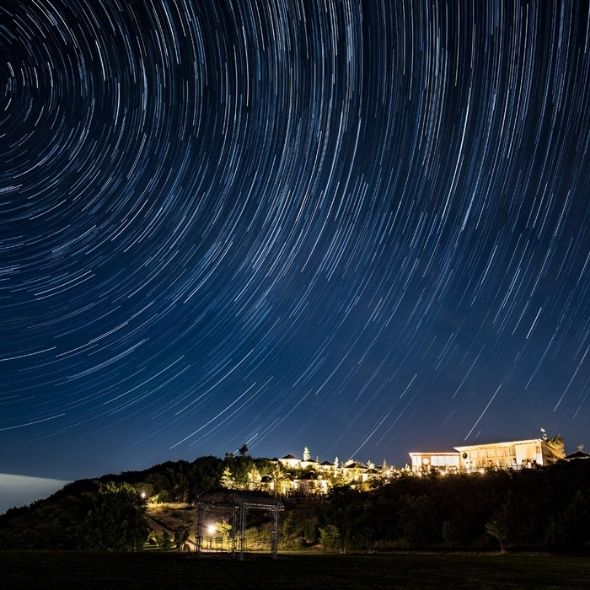
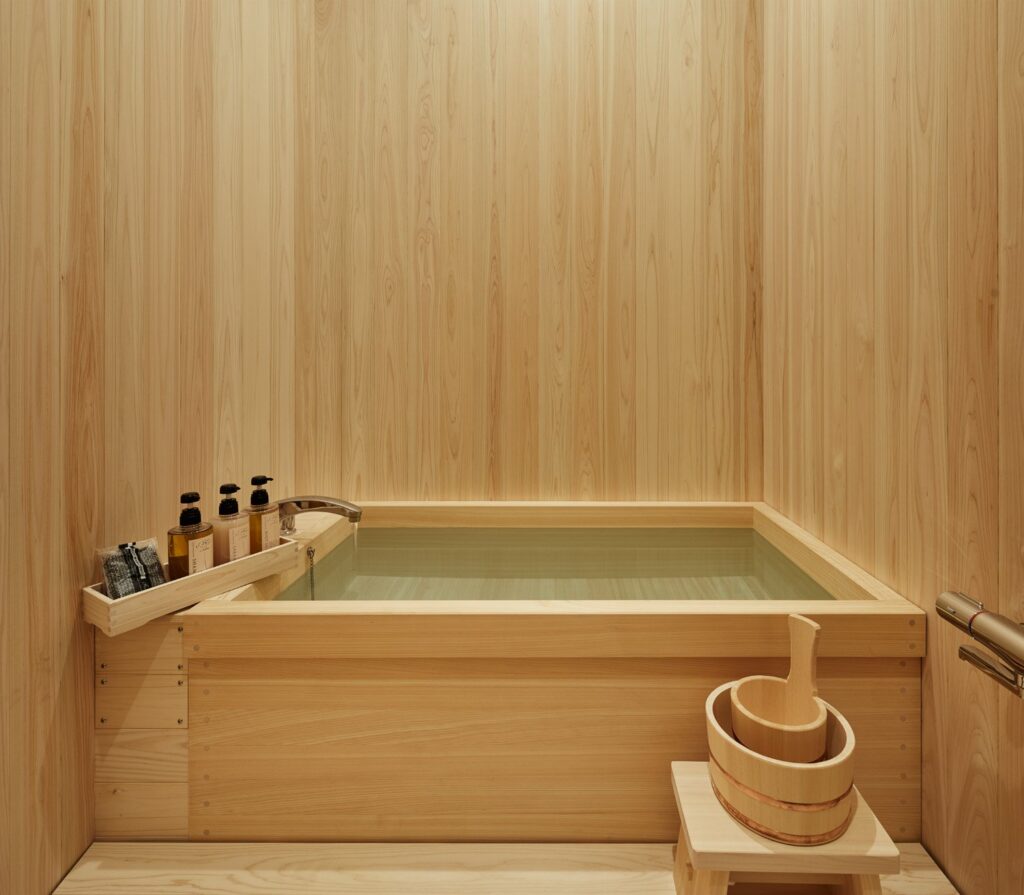
The interiors radiate a cozy and inviting ambiance, adorned with captivating wooden accents that infuse the space with warmth and elegance. Each room is equipped with a cypress bath, providing a delightful fusion of comfort and the therapeutic aroma of cypress wood. Watch as the sun rises and illuminates the interior of the cocoon in beautiful shades of orange.
Just a short walk away from the room is an enzyme bath experience. Made from a mixture of fermented rice bran and cypress sawdust, this bath will help increase blood circulation, promote sweating, and detox the body. Use this time to take in the enzyme bath aroma and reflect on your Awaji Island wellness retreat. (Please note that use of the enzyme bath incurs an additional fee.)
This luxury wellness retreat is meticulously designed to create an environment conducive to health and wellness, allowing guests to unwind and escape the hustle and bustle of everyday life.
| Name | GRAND CHARIOT |
|---|---|
| Adress | 2425-2 Kusumoto, Awaji City, Hyogo Pref. 656-2301 Located at Nijigen no Mori in Hyogo Prefecture Awajishima Park |
| Tel | 0799-64-7090 |
| Website | https://awaji-grandchariot.com/ |
| Reservations | https://go-grandchariot.reservation.jp/en |
Click here for details of GRAND CHARIOT
3. Sacred Temple Stays: Shukubo at Mount Koya (Wakayama)
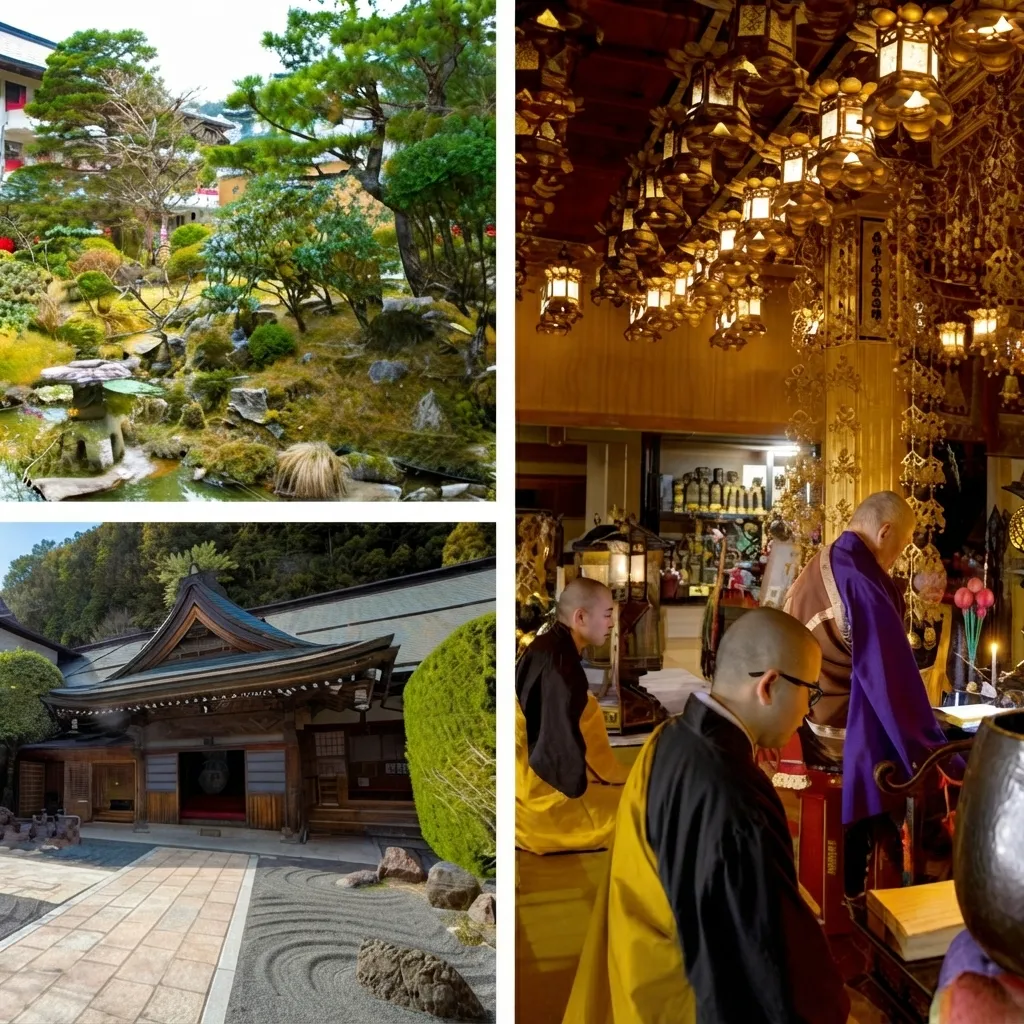
For those seeking an authentic spiritual journey, staying at a temple (shukubo) on Mount Koya offers an unparalleled look into monastic life. Mount Koya is the sacred center of Shingon Buddhism, surrounded by ancient cedar forests and historic temples.
During a stay, guests are invited to join early morning prayers, participate in Ajikan meditation, and try 写経 (Shakyo)—the mindful art of copying Buddhist scriptures. You will also enjoy Shojin Ryori, the traditional vegetarian cuisine crafted by monks using seasonal vegetables, tofu, and wild mountain herbs.
- Best For: Culture enthusiasts and spiritual seekers wanting a historic experience.
- Getting There: Accessible via cable car and train from Namba Station in Osaka (approx. 2 hours).
4. Thermal Healing & Onsen Culture: Beniya Mukayu (Ishikawa)
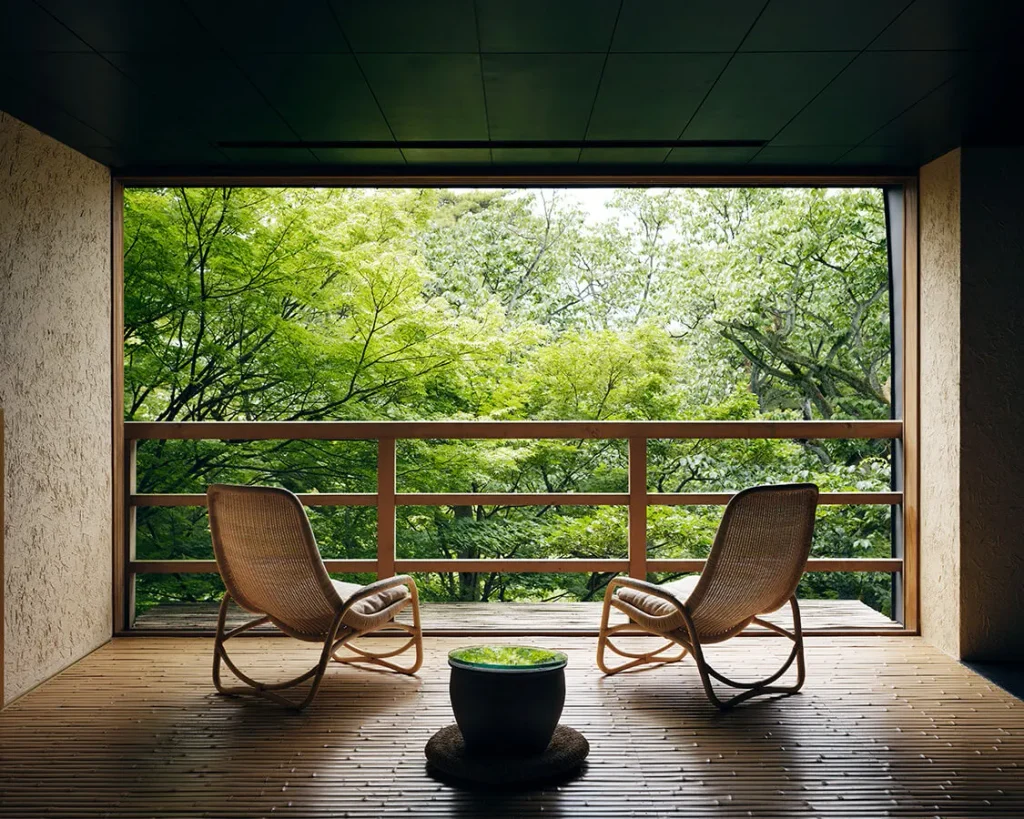
Nestled on the slopes of Mount Yakushi in Kaga Yamashiro Onsen, Beniya Mukayu is a peaceful ryokan centered around the Taoist concept of Mukayu—meaning “rich in having nothing.”
The wellness ritual focuses on Toji (traditional hot spring therapy). Every room features a private outdoor thermal bath facing a serene Japanese garden. Guests can combine their daily soaking with spa treatments incorporating medicinal herbs, tea ceremony experiences, and seasonal Kaiseki dining.
- Best For: Travelers wanting a classic luxury Japanese ryokan experience with high-end spa therapies.
- Getting There: Approximately 30 minutes from Kanazawa via local train/shuttle.
5. Forest Bathing & Mountain Wellness: Hoshinoya Karuizawa (Nagano)
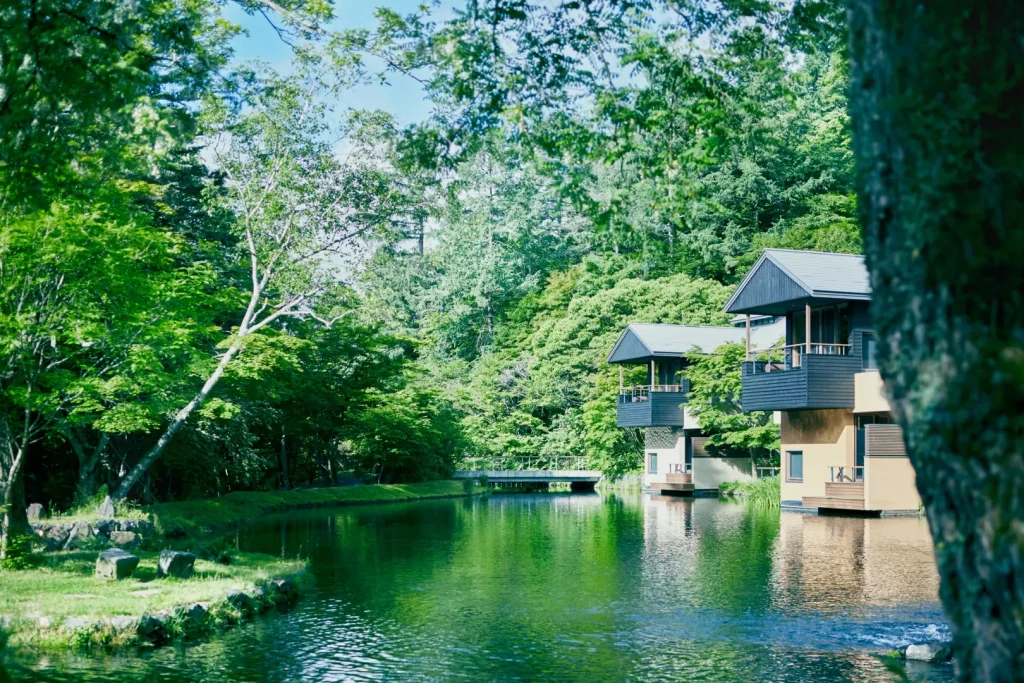
Located just an hour from Tokyo by bullet train, HOSHINOYA Karuizawa sits at the foot of Mount Asama in the Nagano highlands. Surrounded by alpine forests and geothermal waters, this eco-resort focuses on the practice of Shinrin-yoku (Forest Bathing) to restore physical and mental balance.
Guests can join guided forest wellness stays that combine Nordic walking through national parks, outdoor stretch sessions, acupuncture, and deep-breathing bathing in mineral-rich hot springs. Meals are inspired by regional mountain ingredients, offering seasonal Kaiseki cuisine that nourishes the body from the inside out.
- Best For: Travelers wanting a luxury mountain escape focused on forest therapy and active restoration.
- Getting There: 1 hour via Hokuriku Shinkansen from Tokyo Station to Karuizawa Station, followed by a short shuttle ride.
6. Urban Sanctuary & Japanese Biohacking: Six Senses Kyoto
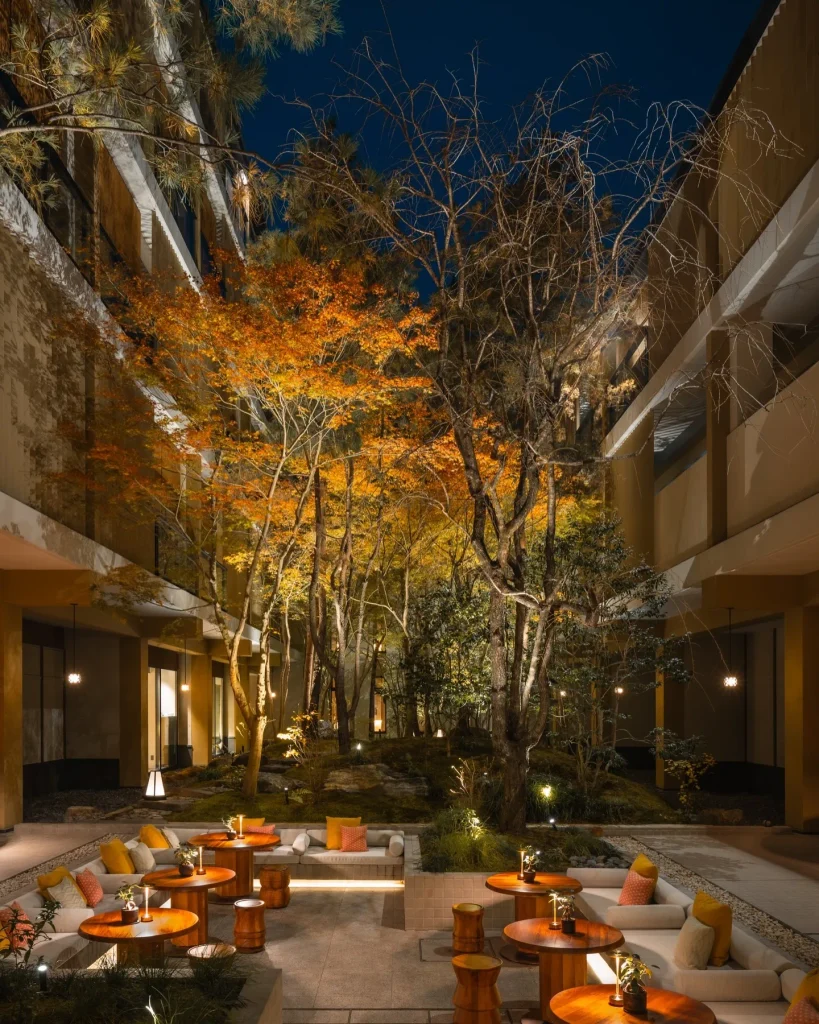
Situated in the historic Higashiyama district, Six Senses Kyoto bridges traditional Japanese healing with modern wellness science. The retreat offers a calm, zen-like refuge right in the heart of Japan’s ancient capital.
The wellness program combines traditional Kampo (traditional Japanese herbal medicine) and Zen philosophy with high-tech sleep tracking and biohacking treatments. Guests can enjoy Watsu aquatic therapy, personalized sound healing, and interactive workshops at the Alchemy Bar, where you can blend your own organic body scrubs using local Japanese botanicals.
- Best For: Mindful urban travelers looking for advanced wellness technology blended with local culture.
- Getting There: Approximately 10 minutes by taxi from Kyoto Station.
7. Traditional Geothermal Healing: Beppu Onsen & Toji Stays (Oita, Kyushu)
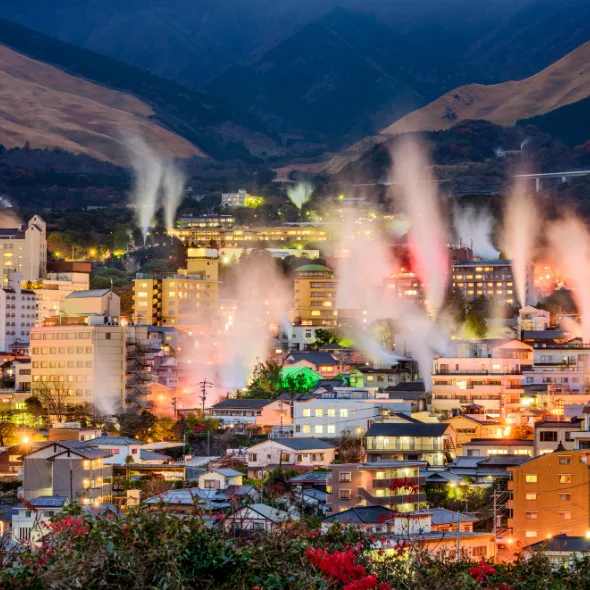
For a deeply authentic wellness experience, head to Beppu on the island of Kyushu—the hot spring capital of Western Japan. For centuries, Japanese travelers have practiced Toji (extended hot spring therapy) here to heal the body, clear the skin, and soothe joint fatigue.
Unlike standard hotel stays, a traditional Toji retreat focuses on daily geothermal bathing across different mineral springs (iron, sulfur, and mud baths) combined with Jigoku-mushi—healthy local food steamed naturally using the earth’s hot spring steam.
- Getting There: Fly into Oita Airport (1 hour from Tokyo) or take the Sonic Limited Express train from Fukuoka.
- Best For: Travelers seeking authentic thermal healing, rustic charm, and a deep physical reset.
Rest and Recharge on Awaji Island
Awaji Island has become one of Japan’s top destinations for mind-and-body wellness, offering tranquil retreats focused on zen meditation, healthy local cuisine, and soothing hot spring baths. Finding the right accommodation is key to creating a truly restorative retreat away from the busy city.
Explore all the best hotels, wellness retreats, and relaxing places to stay across the island in our complete guide below:
Frequently Asked Questions About Wellness Retreats in Japan
Do Japanese wellness retreats accommodate English speakers?
Yes, major wellness destinations and luxury retreats like Zenbo Seinei, GRAND CHARIOT Hokutoshichisei 135°, and Six Senses Kyoto offer English-guided programs, English menus, and international staff to assist guests throughout their stay.
What is the average cost of a wellness retreat in Japan?
Prices vary by experience. Single-day Zen meditation or thermal programs typically range from $150 to $300 USD per person. Luxury overnight stays with organic meals, private baths, and wellness workshops generally range from $500 to $1,200 USD per night.
Are tattoos allowed at wellness retreats and hot springs in Japan?
While traditional public onsens often restrict tattoos, modern wellness retreats accommodate guests with body art through private in-room hot springs (rotenburo) or private rental baths (kashikiri).
What is the best time of year to book a wellness trip to Japan?
Spring (March to May) and Autumn (September to November) offer mild weather and stunning views. However, early Summer is ideal for forest bathing (Shinrin-yoku), while Winter provides the ultimate atmosphere for traditional hot spring (Onsen) therapy.